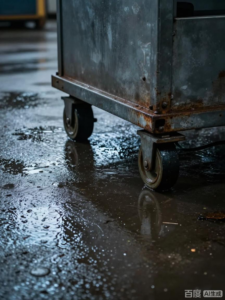
Operating material handling equipment across damp or wet factory floors introduces floor traction challenges and hardware maintenance considerations. Liquid accumulation, process fluid overspray, and washdown residues alter surface friction while potentially impacting caster longevity. Plant engineers evaluate wheel materials to balance cart maneuverability, floor grip, and equipment durability across varied operating conditions.
Selecting between nylon and rubber treads involves assessing how surface moisture influences traction, chemical exposure, and dynamic load handling. While hard nylon and flexible rubber function effectively in dry environments, their physical properties yield distinct operational characteristics when moisture or liquid chemicals cover floor surfaces.
At Junyi, we manufacture modular material handling components designed for diverse manufacturing environments. Choosing suitable mobility hardware helps maintain operational safety, supports floor protection, and reduces maintenance demands across damp or frequently cleaned production areas.
Surface Friction and Traction Dynamics on Wet Floors
Surface contact on damp concrete or coated flooring significantly affects cart handling and operational safety. Hard nylon treads feature a relatively high durometer and low friction coefficient on smooth, wet surfaces, which can increase the likelihood of slipping when pushing heavy loads.
Softer tread formulations often provide improved surface contact on damp or slick floor coatings. Utilizing rubber wheels can enhance grip because the elastic material deforms under weight, helping to penetrate surface moisture and maintain steady contact with the underlying floor.
Controlled maneuvering across wet aisles requires predictable braking and turning response under load. While rigid nylon wheels may slide during sharp turns on wet epoxy coatings, rubber wheel casters generally offer more consistent lateral grip on smooth, moisture-covered paths.
Noise reduction often accompanies the use of resilient wheel materials on hard floors. Flexible treads tend to cushion structural impacts when rolling over floor joints or drain covers, whereas hard nylon often produces noticeable acoustic noise on uneven, wet surfaces.
Cart control on inclined washdown ramps demands adequate surface friction to prevent uncontrolled slipping. Tread compounds with higher elasticity assist operators in maintaining control while pushing or guiding loaded carts along damp inclines.
Chemical Exposure and Moisture Protection in Washdown Zones
Sanitation procedures involving cleaning solutions, mild acids, or degreasers require careful material evaluation. High-density nylon demonstrates strong resistance to many organic solvents and common cleaning agents, resisting significant degradation during routine washdown cycles.
Standard rubber compounds can experience swelling or degradation when exposed to specific petroleum-based oils or harsh chemicals. However, selecting specialized synthetic or anti-static rubber wheels helps mitigate chemical damage while providing necessary static dissipation in sensitive environments.
Water ingress into swivel bearings or axle assemblies presents a common cause of mechanical binding in wet areas. Moisture penetrating unsealed raceways can initiate internal rust, increasing swivel resistance regardless of the outer tread’s moisture resistance.
Stainless steel mounting rigs paired with sealed precision ball bearings help shield internal components from direct water spray. Specifying durable rubber wheel casters constructed with corrosion-resistant hardware reduces maintenance requirements in moisture-heavy processing zones.
Protective components such as thread guards and bearing seals help prevent water and debris from entering the hub during cleaning. Protecting internal bearing surfaces preserves smooth rotation and supports consistent rolling efficiency over extended operational periods.
Load Capabilities, Ergonomics, and Flooring Protection
High payload demands frequently lead facility managers to consider harder wheel materials. Solid nylon supports substantial static weight without developing permanent flat spots, making it a viable option for stationary racks or heavily loaded carts left in place.
Rolling heavy payloads on softer treads increases rolling resistance due to tread deflection, requiring greater initial force to move the cart. While elastic treads offer cushioning for delicate cargo, heavy loads can increase manual pushing effort over long distances.
Floor surface preservation remains another key consideration when operating equipment in damp areas. Rigid nylon wheels may cause surface wear or scratch delicate floor coatings under heavy lateral loads, whereas softer rubber treads distribute weight more broadly to help protect coated surfaces.
Equipment maintenance costs can be minimized by aligning wheel durometer with specific floor types and moisture levels. We at Junyi assist plant engineers in evaluating load capacities and floor conditions to select mobility components that balance ergonomic rolling effort with surface longevity.
Selecting the Appropriate Caster Material for Facility Conditions
Choosing between nylon and rubber options depends on evaluating the primary operational challenges within a specific facility. Environments with standing water, smooth wet floors, or ramps typically benefit from prioritizing surface grip to support safe cart handling.
Processing areas subjected to frequent washdowns with minimal slippery floor risks may favor nylon wheels for their structural rigidity and broad chemical compatibility. Nylon provides reliable performance where high load capacity and chemical exposure are the main operational factors.
Facilities that require static dissipation alongside quiet movement on damp pathways often opt for specialized elastic wheel formulations. Installing appropriate rubber wheel casters provides beneficial anti-static properties along with reliable traction on wet floor surfaces.
Overall material handling efficiency depends on matching tread characteristics to actual floor moisture, chemical exposure, and load requirements. Integrating suitable rubber wheels into custom cart designs helps optimize operational safety and transport stability across wet production floors.
Thorough evaluation under actual working conditions helps ensure long-term performance and operator safety. At Junyi, we offer different caster configurations for specific material-handling environments. Our heavy-duty cast nylon casters are well suited to demanding outdoor applications such as port terminals, where equipment used for container handling and loading operations may be exposed to seawater, salt spray, and harsh working conditions. The nylon wheel construction provides strong wear resistance and corrosion resistance while maintaining smooth movement under heavy loads.
For indoor applications where floor protection and quieter operation are more important, Junyi also provides rubber wheel casters that offer good shock absorption and reduced operating noise. This range of wheel materials allows us to match caster performance to the actual combination of load, floor conditions, corrosion exposure, and operating environment.