In the high-stakes environment of modern manufacturing, the difference between a seamless production line and a costly bottleneck often comes down to the smallest components. While high-tech robotics and automated systems receive the most attention, the physical movement of raw materials, heavy machinery, and finished goods relies on a fundamental piece of hardware: the industrial caster. Specifically, casters heavy duty are the “silent workhorses” that transform stationary equipment into agile assets.
For 2B facility managers and procurement officers, investing in professional-grade mobility solutions is not just about moving objects—it is a strategic decision that impacts workplace safety, operational efficiency, and long-term capital expenditure.
Engineered for Extraordinary Loads
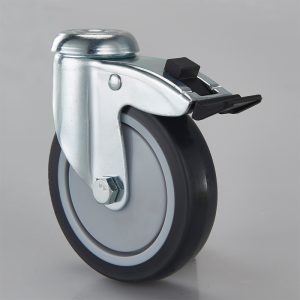
The primary distinction of heavy-duty casters is their weight capacity. While standard office or light-commercial casters are rated for hundreds of pounds, industrial variants are engineered to handle thousands. High-capacity casters typically utilize reinforced materials such as forged steel, thick-gauge cold-rolled steel frames, and high-tensile fasteners.
From a structural engineering perspective, a heavy-duty unit is designed to withstand not just the “dead weight” of the load, but also the dynamic forces (impact, vibration, and momentum) generated during transit. This ensures that even when moving 2,000+ lb. machinery or oversized material racks, the structural integrity of the cart remains intact, preventing catastrophic failures that lead to equipment damage or workplace accidents.
- Enhanced Ergonomics and Injury Prevention
One of the most significant “hidden” costs in manufacturing is worker overexertion. Moving heavy carts with subpar wheels requires high “initial push force,” which is the leading cause of musculoskeletal injuries in industrial settings.
Industrial casters with precision-sealed ball bearings and optimized tread profiles (such as rounded polyurethane or high-rebound rubber) can reduce the effort required to initiate movement by up to 30-50%. By minimizing the physical strain on operators, factories can directly lower workers’ compensation claims, reduce fatigue-related errors, and maintain a higher pace of productivity throughout long shifts.
- Long-Term Cost Savings and ROI
In the world of 2B procurement, the “Total Cost of Ownership” (TCO) is a more vital metric than the initial purchase price. Commodity-grade casters often fail prematurely under industrial stress, leading to frequent replacements, labor costs for repairs, and—most critically—downtime.
Heavy-duty mobility solutions are built for durability. Features like “kingpinless” swivel designs—which eliminate the most common point of caster failure (the kingpin)—ensure that the units can withstand the side-loading forces of tight turns for years. By investing in higher-quality industrial casters, factories reduce maintenance cycles and eliminate the operational “friction” caused by broken equipment.
- Floor Preservation and Noise Reduction
Factory floors represent a massive capital investment. Hard, low-quality wheels can “scuff,” “track,” or even crack epoxy and concrete surfaces over time. High-performance casters heavy duty often utilize specialized polyurethane or synthetic rubber treads that offer a high “elastic modulus.” These materials provide “floor memory,” where the wheel slightly deforms to absorb floor debris and joints before returning to its original shape, protecting the floor from impact damage. Furthermore, these resilient materials dampen vibrations, significantly reducing the decibel levels on the factory floor—a key factor in OSHA compliance and employee morale.
JunYi: Your Global Partner for High-Performance Industrial Mobility
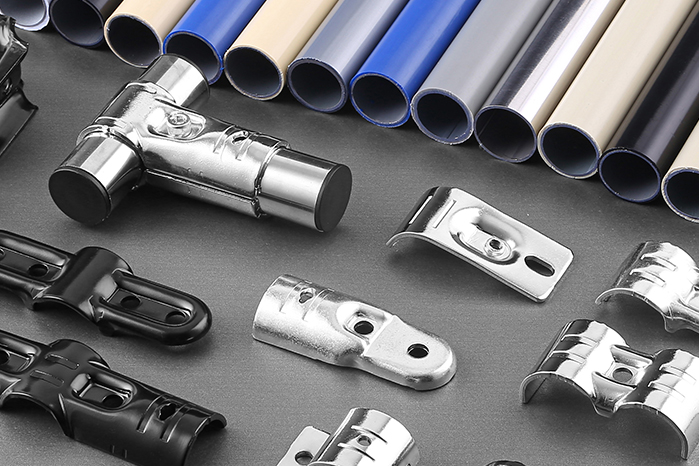
At JunYi, we specialize in the manufacturing of high-precision structural components that form the backbone of lean manufacturing environments. We understand that in the 2B sector, reliability is the only acceptable standard. Our industrial casters are engineered to integrate seamlessly into modular racking systems, workstations, and heavy-duty logistics carts.
Our JunYi Heavy-Duty Caster Series is specifically designed for the rigors of 24/7 industrial use. Whether you are building custom tugger trains for automotive assembly or modular storage for pharmaceutical labs, we provide the specialized hardware that ensures your facility remains in motion.
Technical Specifications of our Heavy-Duty Mobility Division
For industrial integrators and facility designers, we offer a range of specifications tailored to high-demand environments:
- Precision Bearing Systems: We utilize industrial-grade, maintenance-free sealed ball bearings that ensure low rolling resistance and quiet operation over the entire lifespan of the product.
- Braking Configurations: To ensure safety in stationary states, we provide “Total-Lock” braking systems that secure both the wheel rotation and the swivel raceway with a single foot-press.
- Material Diversity: From anti-static rubber for electronics manufacturing to high-impact polyurethane for warehouse floors, we offer tread materials optimized for your specific facility surface.
OEM and ODM Excellence for the 2B Sector
As a dedicated manufacturer, JunYi prides itself on its ability to support both high-volume OEM rollouts and specialized ODM requirements. We recognize that every factory has unique environmental challenges—be it chemical exposure, high humidity, or extreme temperature fluctuations. Our engineering team can customize wheel durometers, frame finishes (such as high-gloss zinc or black electrophoresis), and mounting plate dimensions to match your proprietary equipment designs perfectly.
By choosing JunYi mobility solutions, you are not just buying wheels; you are investing in the agility and safety of your workforce. We invite procurement managers and facility engineers to explore how our specialized industrial casters can reduce the “motion waste” in their facility and provide the structural reliability that modern lean production demands.