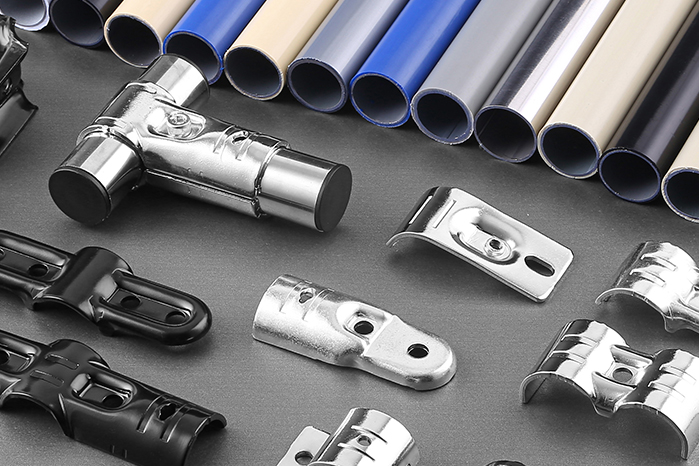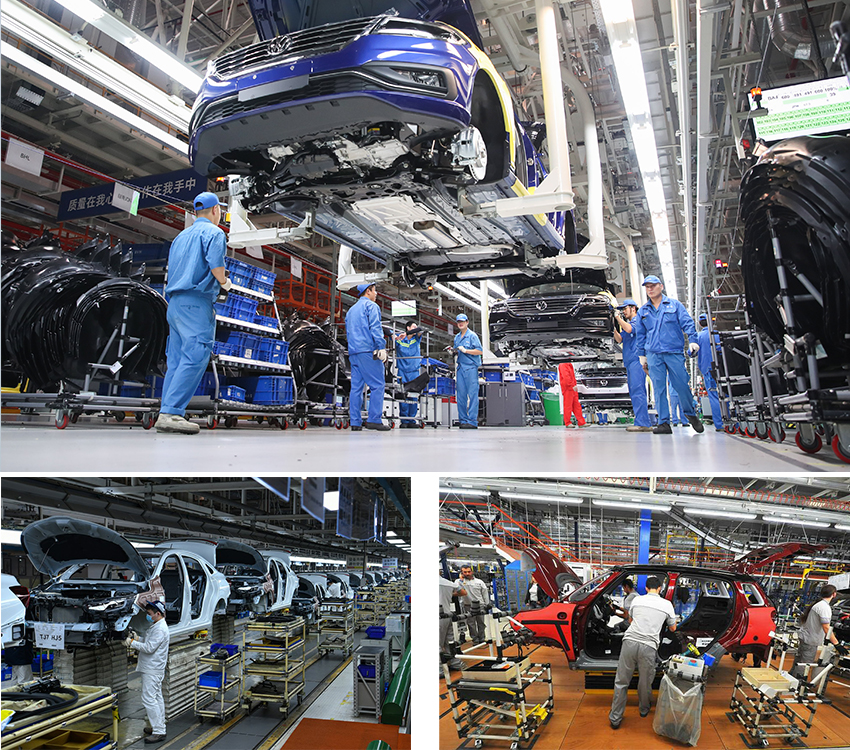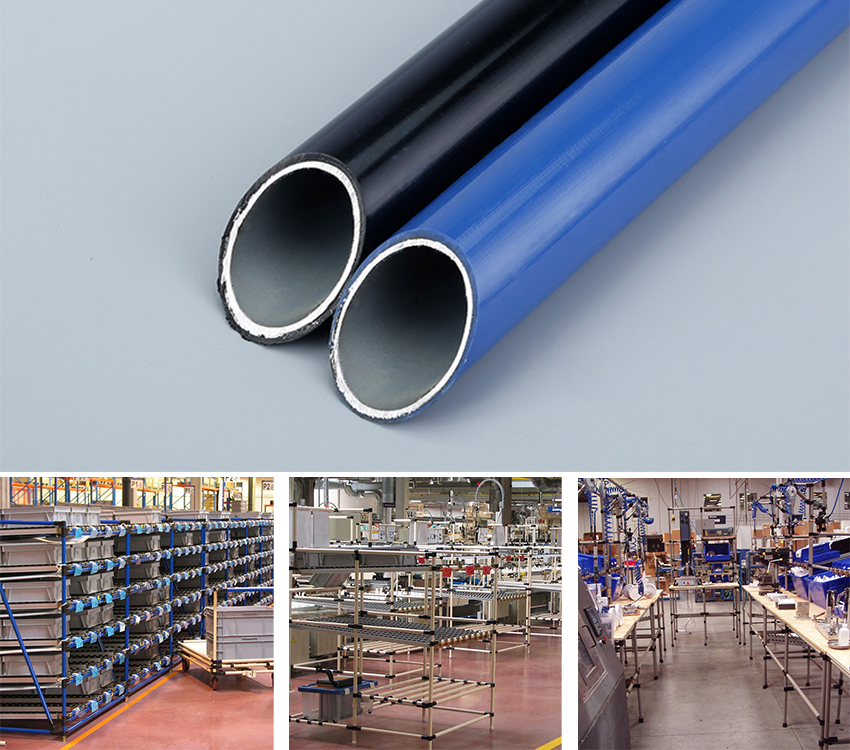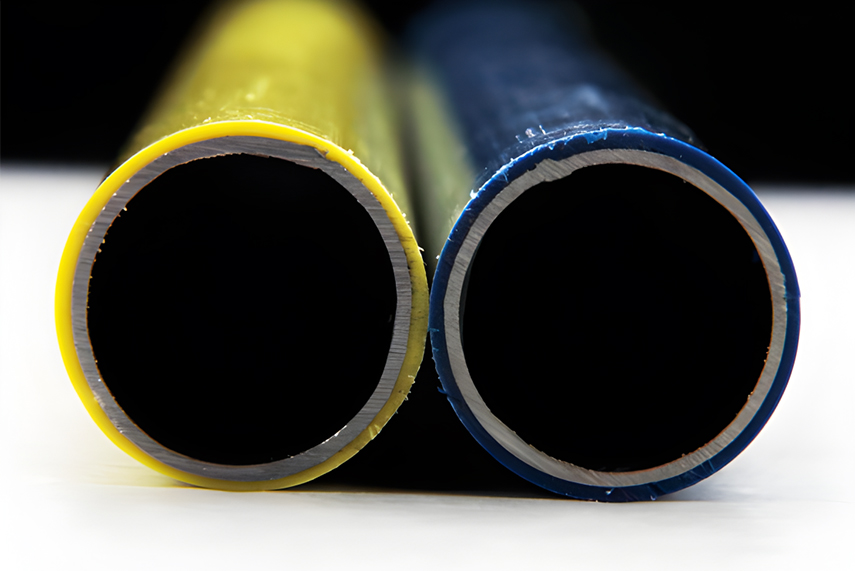
Plastic coated steel pipe combines the structural strength of steel with a protective polymer surface, making it suitable for modular workstations, carts, flow racks, and other factory infrastructure where durability and worker interaction matter. Industrial facilities require materials that resist everyday wear while maintaining structural safety across multiple operating shifts.
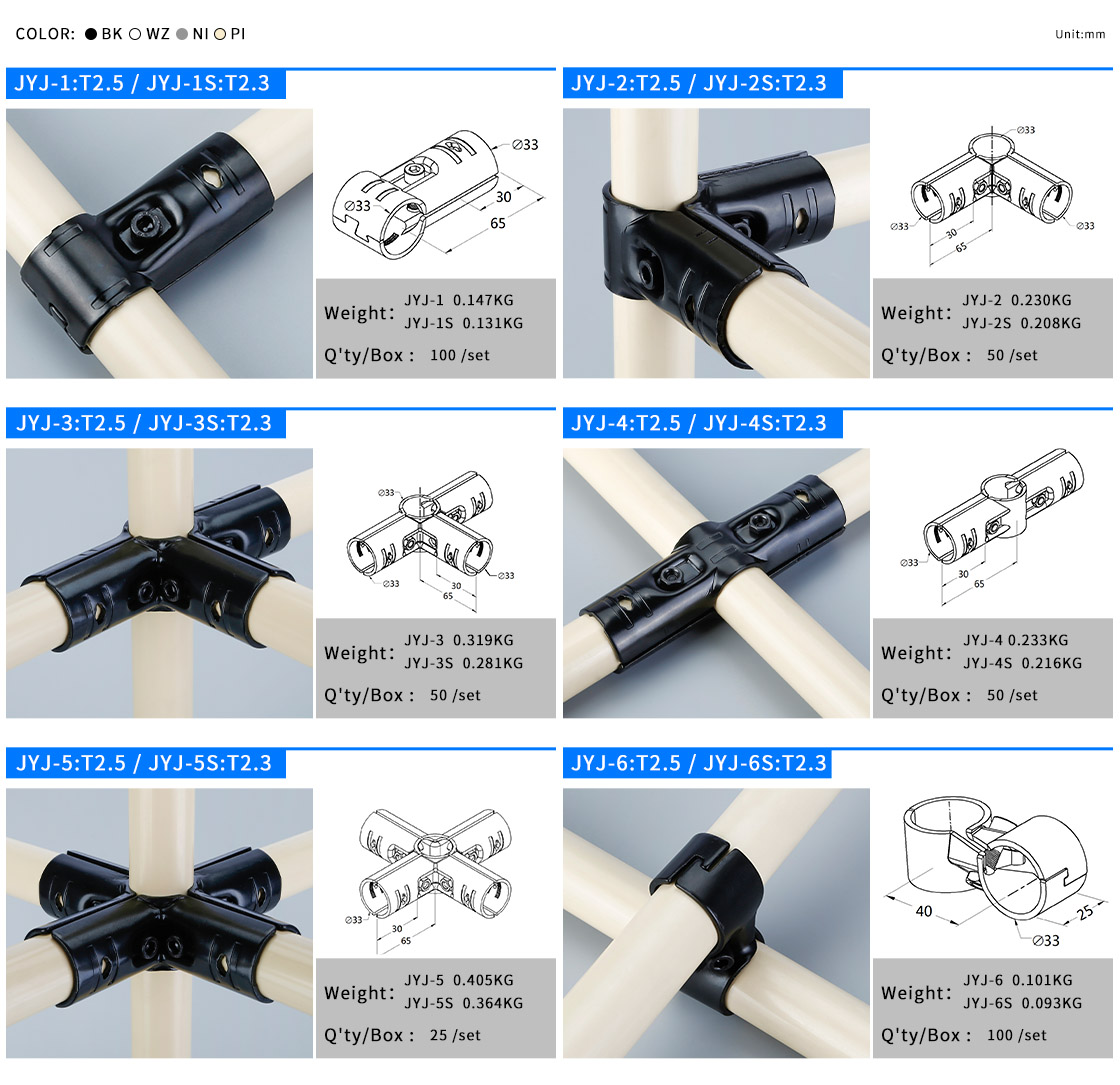
At Junyi, we engineer PE coated pipe and metal joint components for exactly these conditions: humid bays, multi‑shift handling, and frequent reconfiguration.
Understanding the Dual-Layer Mechanics of Polymer-Protected Profiles
Unprotected metal framing often succumbs to aggressive rust, moisture accumulation, and chemical exposure within demanding industrial settings over extended operating periods. When structural frames degrade, overall load capacities drop significantly, creating severe safety risks for machine operators.
Traditional bare metal alternatives require frequent repainting, intensive maintenance intervention, or complete replacement after short operating cycles. Facility safety correlates directly with the chemical resistance of chosen materials.
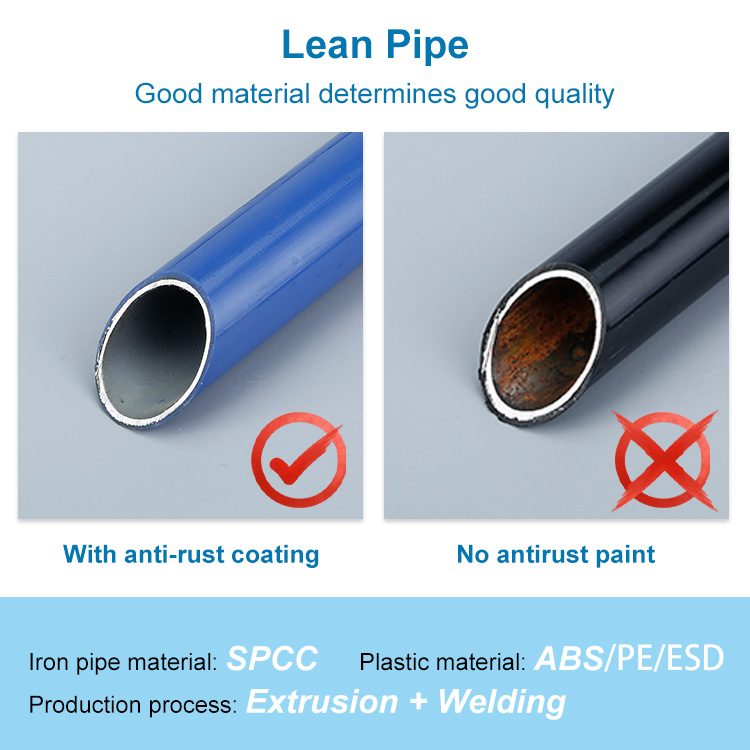
Deploying a reliable coated pipe system significantly reduces corrosive risks across busy assembly lines and internal transport trolleys. The PE layer is extruded to a uniform thickness, and the inner wall receives an anti-rust treatment before coating, so the pipe is protected from both sides.
This protective layer ensures that internal structural strength remains uncompromised even in humid operational environments. Upgrading to PE coated pipe removes the recurring rust-treatment task from the maintenance schedule.
Enhancing Surface Resilience and Impact Protection in Workspaces
At Junyi, we utilize advanced manufacturing techniques to bond durable polymer coatings tightly to high-strength inner steel cores. This dual-layer composition delivers exceptional load-bearing capacity without sacrificing the flexibility required for custom modular layouts.
Choosing a high-performance plastic coated steel pipe allows engineering teams to build robust material carts and flow racks with reliable material platforms. Structural integrity under heavy loads prevents sudden shifts that threaten daily plant safety.
Impact resistance remains a critical factor when evaluating factory durability during fast-paced component assembly, sorting, and kitting tasks. Heavy parts frequently collide with storage racks, causing structural dents, surface cracks, or sharp metal burrs.
The polymer coating can help protect the steel surface from localized impacts, scratches, and abrasion during routine material handling. This added surface protection helps preserve the pipe’s condition when components come into contact with the frame.
Protecting Personnel Through Ergonomic and Smooth Exterior Finishes
Sharp metal edges and exposed welding seams present chronic injury risks for workers handling frequent material replenishment and sorting tasks. Smooth exterior surfaces eliminate the danger of lacerations, clothing snags, and skin abrasions during busy shift rotations.
Integrating polymer-shielded framing into workstation configurations removes the cut and snag hazards that bare welded frames leave behind.
Operators interact directly with assembly tables, storage racks, and transport structures throughout every working shift in industrial facilities. Eliminating sharp burrs and jagged connection points ensures that personnel can focus on productivity without fear of physical injury.
Smooth plastic surfaces feel comfortable to the touch, reducing hand fatigue during continuous parts handling. Safe operational touchpoints form the foundation of a proactive plant safety culture.
Where Plastic Coated Steel Pipe Works Best
Industrial applications vary widely, demanding flexible structural materials that adapt easily to specific workflow configurations and handling requirements. Lean manufacturing workstations utilize these versatile tubes to create custom assembly benches tailored to exact ergonomic operator dimensions.
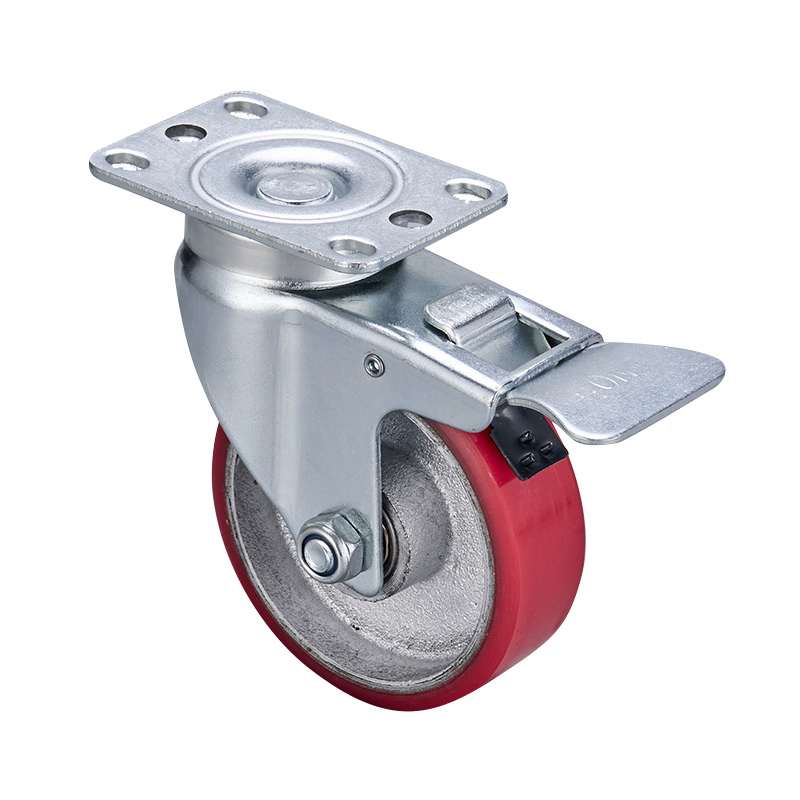
Material carts built with a resilient coated pipe framework streamline internal logistics by safely transporting heavy sub-assemblies across long factory floors. Flow racks benefit greatly from low-friction polymer exteriors that facilitate smooth carton movement.
Conveyor support structures and specialized picking carts also rely heavily on robust framing profiles to maintain stability under continuous mechanical loads. Facility planners frequently deploy these modular components to construct customized tool hangers, shadow boards, and mobile maintenance stations.
Versatile application potential allows plant engineers to standardize their inventory of structural hardware while solving diverse layout challenges. Every deployment maximizes space utilization while maintaining strict adherence to facility guidelines.
Long-Term Durability and Lower Maintenance Requirements
Maintenance overhead drains valuable financial resources when assembly frames require constant upkeep, rust treatment procedures, or premature structural part swaps. Corrosion-resistant materials eliminate the need for hazardous chemical paints and extensive cleaning protocols inside active production zones.
Facility engineering teams benefit from lower maintenance frequency and extended replacement cycles across all modular builds. Streamlining upkeep routines frees up valuable labor hours for core tasks.
Selecting the right structural material requires careful evaluation of wall thickness, core steel grade, and outer polymer composition parameters. When installing assembly frames with a coated pipe framework, facility planners must verify that the selected components match the expected load and environmental conditions. This helps ensure the system is suitable for its intended application.
Implementing standard testing protocols helps verify that every installed frame meets strict internal safety requirements. Proper initial specification prevents costly retrofits later.
Evaluating long-term asset performance involves tracking structural wear patterns across various high-traffic manufacturing zones on a regular basis. Gathering empirical data on frame stability helps maintenance supervisors optimize future facility expansions and safety upgrades.
A resilient plastic coated steel pipe maintains its dimensional stability and surface finish over extended operating cycles. Reliable performance data empowers engineers to design safer and more efficient production layouts for workers.
Factory safety and structural longevity depend on proactive material selection, careful engineering, and disciplined installation practices across facilities. Upgrading internal transport and storage frameworks protects valuable inventory while safeguarding dedicated workshop personnel from harm.
Modern industrial facilities thrive when management invests in dependable, high-integrity structural solutions from the ground up. Long-term operational success rewards plants that prioritize safety and material durability. At Junyi, we remain committed to supplying reliable structural components.