Selecting the right wheel system for material carts is crucial for efficiency and safety in various work environments. With numerous options available, understanding the differences between casters wheels and fixed wheels can help businesses make informed choices. This article delves into the characteristics of rubber wheels and their applications to assist you in determining the best solution for your specific needs.
Understanding Wheel Types
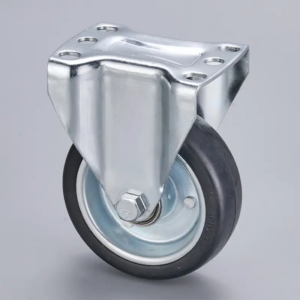
When it comes to material carts, the two primary types of wheels are casters wheels and fixed wheels. Casters wheels provide greater maneuverability, allowing carts to change direction with ease. They come in several bracket styles, including fixed type, movable type, movable type with brake, insert rod type, and insert rod type with brake. This versatility means that businesses can find a combination that suits their unique material handling tasks.
Conversely, fixed wheels are stationary and do not allow for movement in different directions. While they offer stability and support, they may restrict the overall agility of a material cart. This can be a disadvantage in tight spaces or when frequent directional changes are required. Understanding how these two types of wheels operate will help you choose the right solution for your material cart requirements.
The Advantages of Rubber Wheels
Rubber wheels play a significant role in enhancing the performance of both casters wheels and fixed wheels. For instance, JunYi offers medium-sized black anti-static rubber casters that feature an iron core for added strength and durability. These wheels have an anti-static value of 10^(-6), making them ideal for use in sensitive environments like anti-static workshops and equipment.
The elasticity of rubber wheels provides excellent shock absorption, reducing the impact on both the cart and the surfaces being traversed. Additionally, they also minimize noise during operation, which can be an important factor in maintaining a quieter workplace. Their ability to grip surfaces effectively allows for smooth movements whether attached to casters wheels or fixed wheels.
Making the Right Choice for Your Needs
When deciding between casters wheels and fixed wheels for your material carts, consider factors such as maneuverability, stability, and the specific work environment. If your application requires frequent turning or adjustments, investing in casters wheels with rubber features is likely the better choice. However, if stability and load-bearing capacity are paramount, fixed wheels may be more suitable.
Ultimately, the right selection will depend on your operational requirements and the types of materials being transported.
Partnering with JunYi for Optimal Solutions
At JunYi, we specialize in providing high-quality wheels tailored to meet the demands of various industries. Our range of rubber wheels, including anti-static options for specialized environments, ensures that your material carts function efficiently and safely. By considering both casters wheels and fixed wheels, we can work together to identify the ideal solution for your specific application. Let us help you enhance your material handling processes with our reliable wheel systems.