Most manufacturers discover inefficiency only after it costs them time and money. A workbench designed five years ago stays locked in place, even when product lines shift. Operators work around obstacles rather than reorganizing their space. Changeovers stretch longer than they should. These aren’t failures of effort—they’re symptoms of static infrastructure that can’t keep pace with lean production demands.
Modular lean tubes solve this by making your manufacturing floor responsive rather than rigid.
Where Waste Hides in Traditional Manufacturing
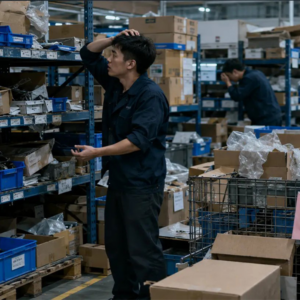
Manufacturing waste doesn’t announce itself. It accumulates in small friction points: an extra step to grab a tool, a workbench layout that forces operators to reach across their line of work, a test station that can’t adapt when you introduce a new product variant.
Traditional welded frames or bolted-down equipment create infrastructure that’s expensive to modify. Moving a work surface costs hours of downtime and labor. Reconfiguring a test station means shutting down production. The result is that operators optimize their movements around fixed constraints rather than eliminating the constraints themselves.
This static approach contradicts the core principle of lean techniques in manufacturing: continuous flow and rapid response. When your physical workspace resists change, your improvement initiatives stall.
Why Modular Lean Tubes Change the Equation
giving us the flexibility to adapt layouts without major capital reinvestment. Unlike welded frames, they allow you to adjust heights, add or remove supports, relocate accessories, and reconfigure your entire workstation in minutes rather than days.
We’ve seen manufacturers use this advantage to compress changeover time by 30–40%, simply because they can reposition their workbench components to match each new production run. The tube itself becomes part of your continuous improvement strategy, not a constraint against it.
The mechanics are straightforward: T-slot channels accept nuts and bolts at any point along the profile. You don’t need welding, cutting, or custom fabrication. This means frontline supervisors can implement layout changes without waiting for engineering or maintenance crews.
The Setup Phase: Foundation for Flexibility
Start by identifying your anchor points—the fixed dimensions that won’t change. On most workbenches, this includes the floor footprint and the primary work surface height. Everything else becomes adjustable.
Use modular lean tubes to build a frame that allows vertical and horizontal adjustment. Mount your primary work surface on adjustable supports rather than directly bolting it to a static base. This single decision gives operators the freedom to accommodate different product sizes, shift between standing and seated work, or accommodate operators of different heights.
When you design with lean techniques in manufacturing in mind, you’re planning for change from day one. We at Junyi now offer pre-engineered tube kits designed specifically for workbench environments, complete with height-adjustment mechanisms and quick-release fasteners. These kits reduce your setup time and eliminate guesswork.
Document your baseline configuration. Photograph or sketch the initial layout, note the part numbers of each tube, profile type, and accessory. This baseline becomes your reference point when troubleshooting or replicating the setup across multiple stations.
Adapting Your Workstation in Real Time
Real lean improvement happens when your team can test a layout change, measure the result, and iterate without friction. Modular lean tubes make this cycle practical.
Suppose your assembly line runs a new product with a different footprint. With traditional frames, reconfiguring your workbench means planning around downtime. With lean tube systems, we can typically adjust support heights, relocate tool holders, or reposition the work surface quickly. The operator runs a test cycle, and if the layout doesn’t work, we adjust it again.
This rapid iteration is where modular systems compound their value. Your team stops asking, “Can we change this?” and starts asking, “What layout works best?” Operators become invested in their own workspace optimization because they see that feedback leads to immediate adjustments.
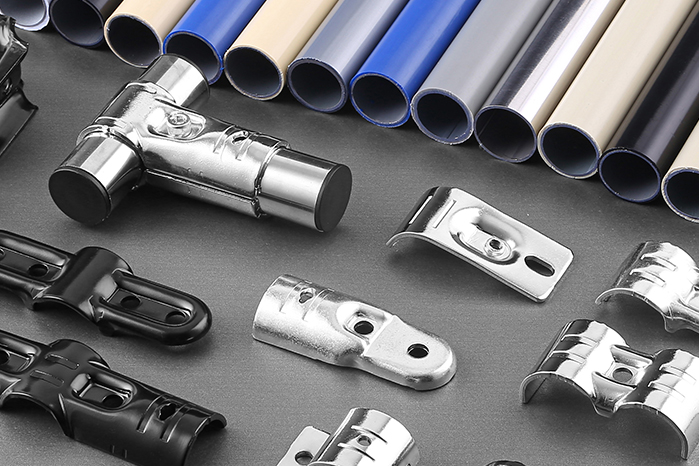
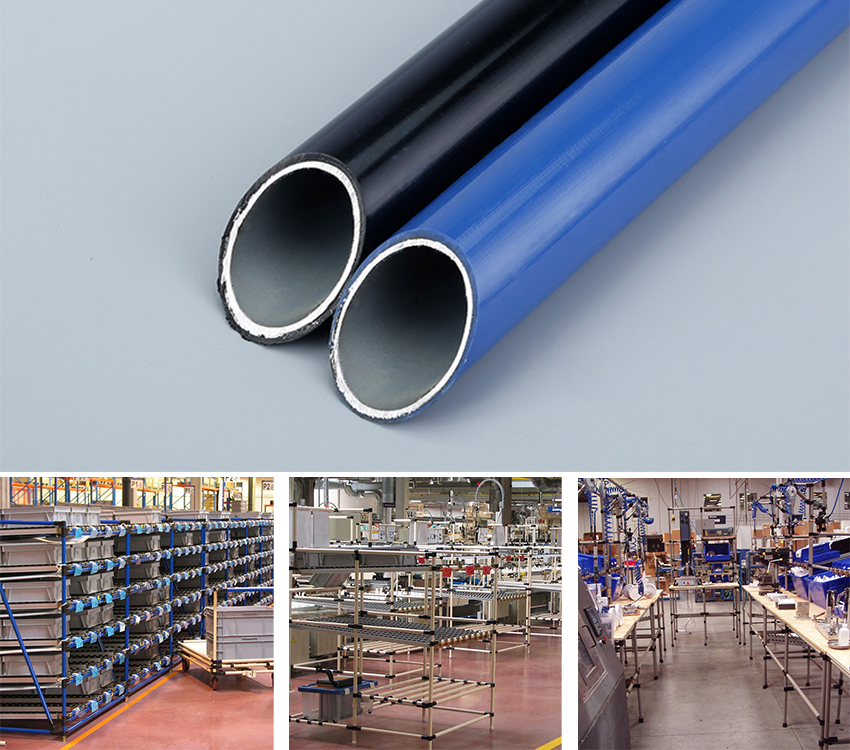
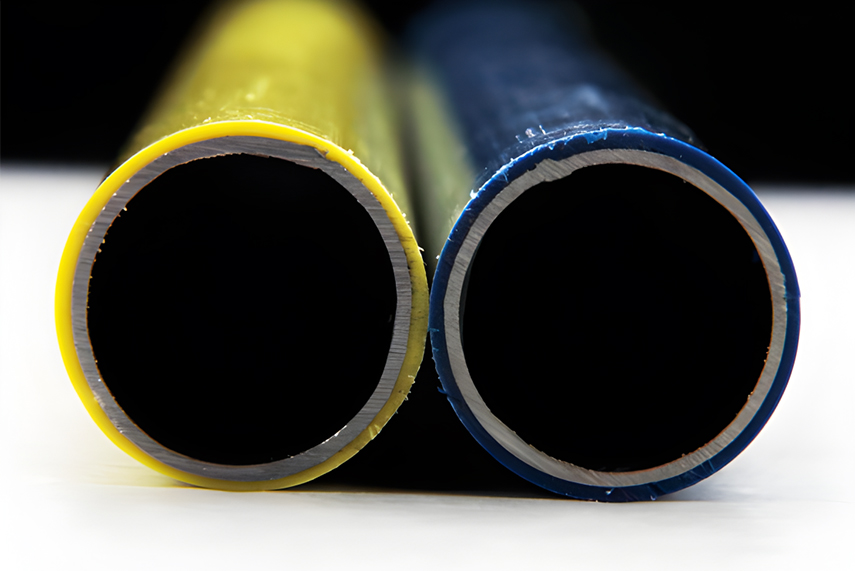
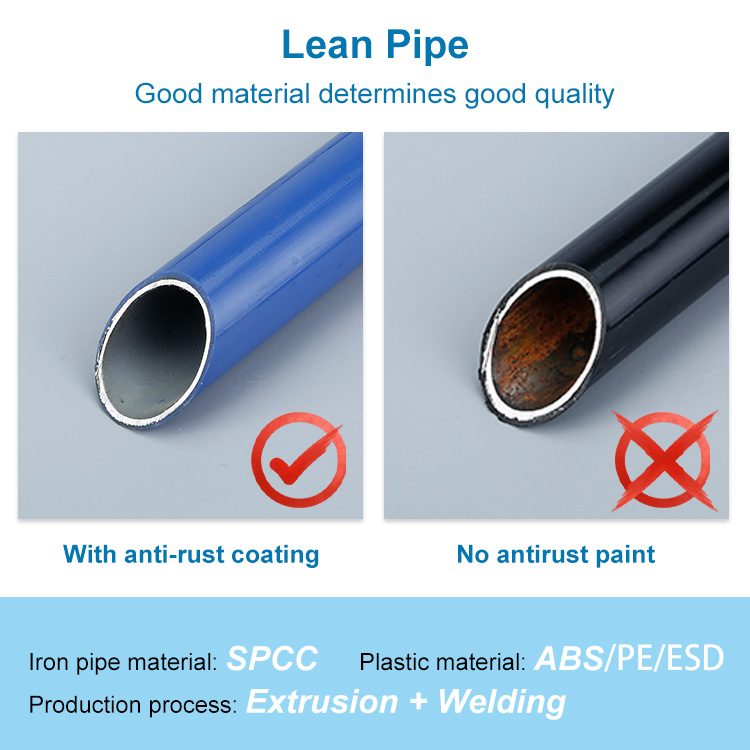
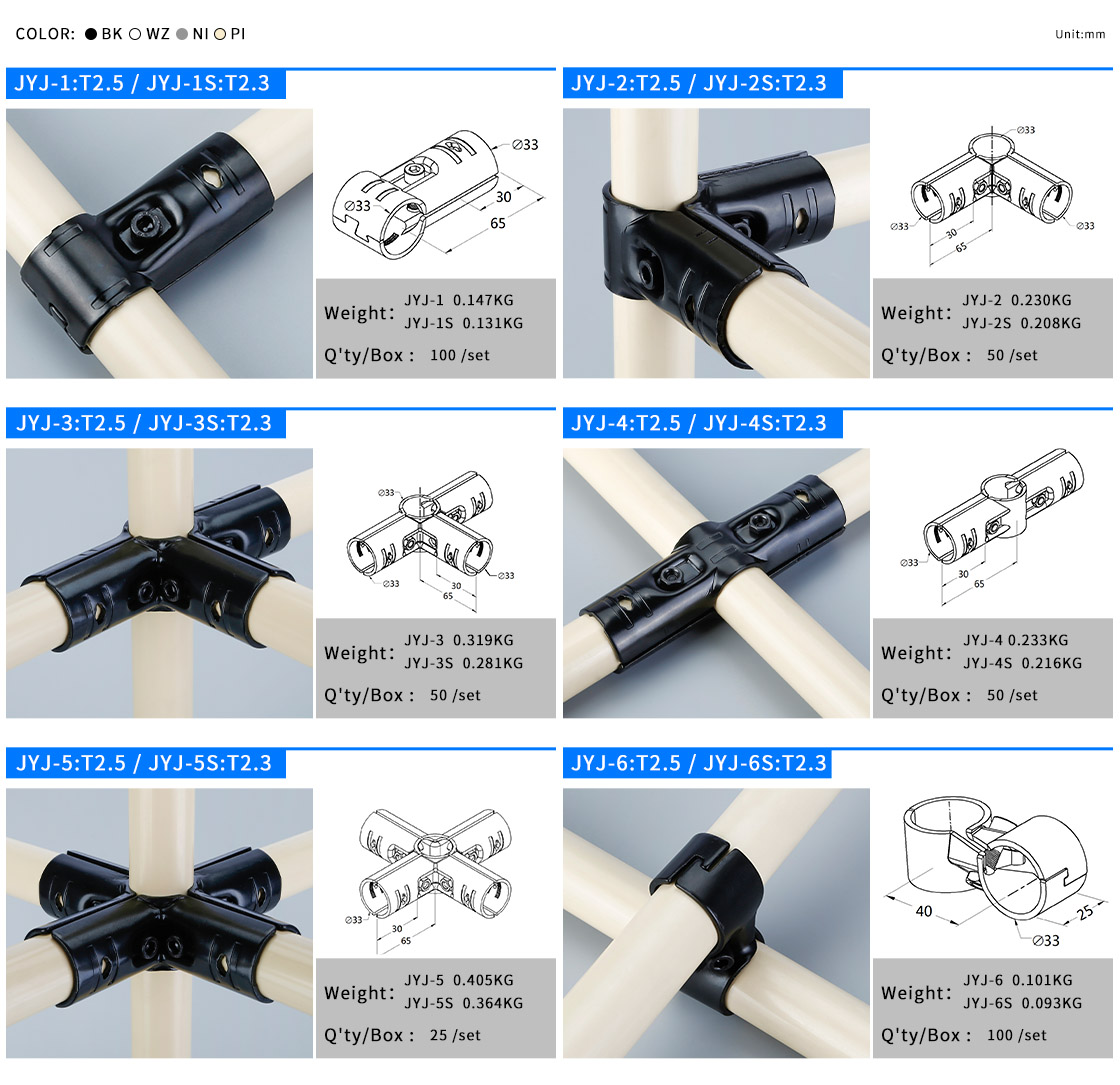
At Junyi, our modular tube systems combine coated pipes, metal joints, and other lean-system components for flexible assembly. Our coated pipes feature an anti-rust coating on the inner wall, while metal joints use rounded edge transitions to help protect both products and operators. Your existing frame accommodates new components without re-engineering.
Measuring What Matters: Quick Feedback Loops
Lean improvement requires data, but not every metric matters equally. Focus on cycle time, setup time, and ergonomic complaints from your operators.
When you make a layout change, compare the time it takes an operator to complete one full cycle before and after the change. Even a 5–10 second reduction per cycle can add up to significant time savings over the course of a year, depending on your production volume. In our experience, better ergonomics can also reduce fatigue-related errors, creating an additional benefit.
Document every layout iteration. Over time, you’ll recognize which adjustments drive measurable improvements and which are cosmetic. This pattern becomes your design guide for future workstations.
Scaling Across Multiple Stations
Once you’ve proven a layout on one workbench, scaling becomes straightforward. Lean techniques in manufacturing benefit enormously from standardization—all your assembly stations should operate on the same principles.
Order identical modular lean tube kits for each station, using the proven baseline configuration. Consistency means your operators can move between stations without learning a new layout. Cross-training becomes faster. Troubleshooting is simpler because problems map to a known standard.
As your team masters one station, improvements often reveal themselves for the next. At Junyi, we help keep lead times and costs predictable through ready inventory, stable production capacity, and OEM/ODM customization. Quality is built into our process, with ISO and SGS certifications, thickness tolerances controlled within 0.05 mm, and pressure testing for every coated pipe.