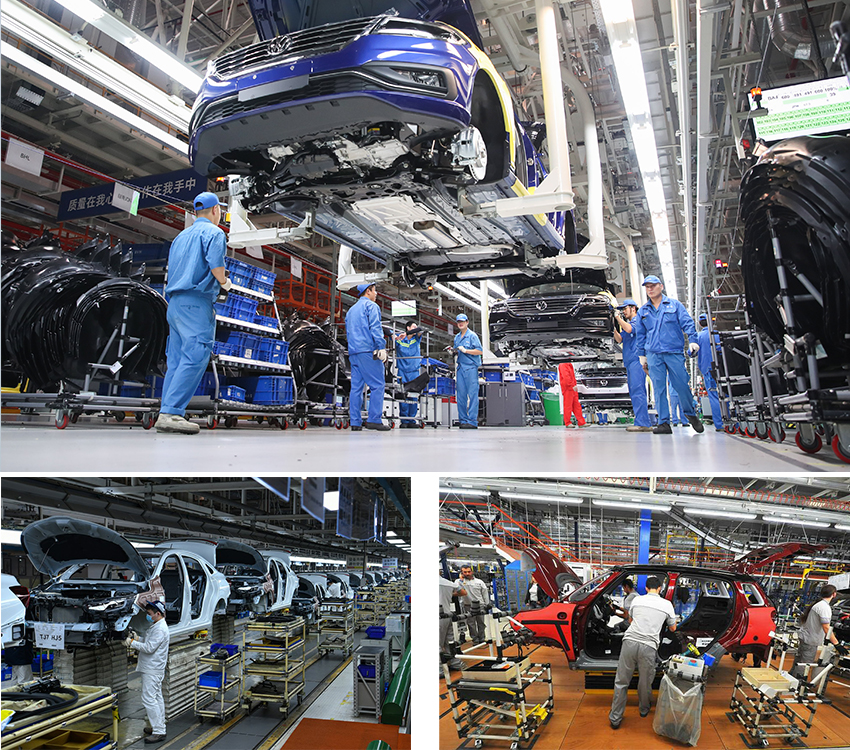
Engineering teams managing high-volume distribution centers often encounter unexpected bottlenecks caused by sluggish conveyance lines. High-speed sorting operations place immense mechanical stress on gravity-fed storage structures daily.
At Junyi, we focus on providing durable hardware that withstands rigorous warehouse demands without failing prematurely. Every workflow nuance matters when seconds dictate fulfillment success.
Diagnosing High-Wear Stress Points in Dynamic Sorting Zones
Rapid movement of heavy cartons accelerates mechanical wear across components, requiring constant vigilance from facility managers. Neglecting early signs of resistance can lead to lane blockages and unplanned downtime during peak fulfillment cycles.
Facilities relying on older structural layouts frequently struggle to maintain consistent parcel velocity. Carton weight distribution directly impacts wheel rotation efficiency.
Operators must base inspection frequencies on operating volume, load conditions, and manufacturer recommendations rather than rigid timelines. Keeping roller tracks clean prevents abrasive particles from grinding down internal steel axles over time.
Routine upkeep should incorporate tactile checks of rotation points along the assembly line. Smooth rotation ensures packages glide effortlessly without manual intervention.
Establishing Routine Friction and Debris Mitigation Protocols
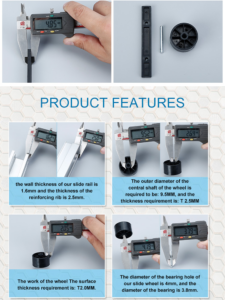
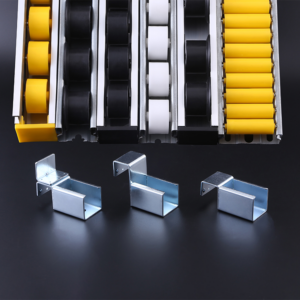
Debris accumulation represents a primary culprit behind sudden operational halts in busy fulfillment facilities. Adhesive residue from shipping labels frequently transfers onto the surface of a roller track flow rail, creating sticky drag points.
Cleaning crews must utilize safe solvent solutions that dissolve adhesive buildup without degrading thermoplastic materials or protective coatings. Industrial wipes restore surface slickness safely.
Regular wiping schedules dramatically extend active component lifespans by preventing chemical buildup from hardening. Leaving chemical residues behind attracts more grime and dust over time, accelerating wear patterns.
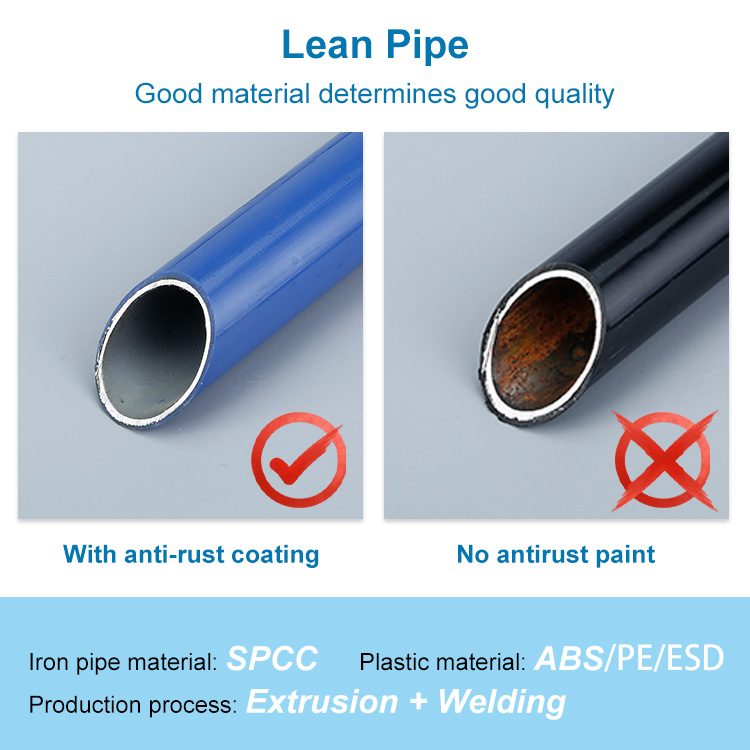
Our engineering philosophy at Junyi prioritizes material resilience to minimize the frequency of required sanitation interruptions. Selecting corrosion-resistant profiles ensures stable performance in humid environments.
Load Distribution and Frame Alignment Adjustments
Structural alignment directly dictates whether parcels maintain their intended momentum throughout the entire sorting journey. Slumping frames or loose metal joints cause dangerous track misalignments that derail cartons instantly.
Technicians should monitor track parallelism, inclination angles, and load distribution rather than worrying about microscopic shifts. Maintaining proper spacing is essential for handling varied carton dimensions.
Gravitational force relies heavily on precise track pitch angles to propel goods smoothly without excessive speed accumulation. Adjusting the inclination gradient prevents heavy packages from crashing into terminal stops violently.
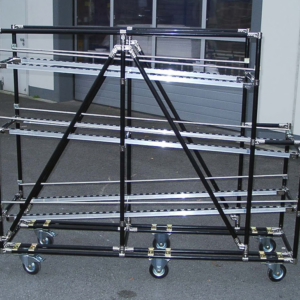
Proper gradient tuning protects both the inventory and the underlying support structure. Support brackets must remain securely anchored to prevent vibrational loosening during continuous operations.
Lifecycle Management and Strategic Component Replacement
Component replacement should never be treated as an afterthought or handled only after a total breakdown occurs. Proactive swapping of pitted rollers prevents sudden line stoppages during critical shipping windows.
Inventory teams should keep spare parts staged near high-traffic sorting lanes. Tracking actual wear rather than arbitrary time intervals optimizes spare parts inventory management.
Thermoplastic wheels eventually experience surface fatigue after processing extensive quantities of individual parcels over extended operating cycles. Spotting a cracked bearing housing early allows maintenance crews to swap out a single roller track flow rail section rather than rebuilding entire racks. Scheduled downtime for minor part replacements costs significantly less than emergency repairs during peak operating hours.
Personnel training remains vital for spotting subtle performance deviations before they escalate into major operational hurdles. Warehouse staff members are often the first to notice unusual screeching sounds or sluggish parcel movement.
Maximizing Uptime Through Proactive Facility Management
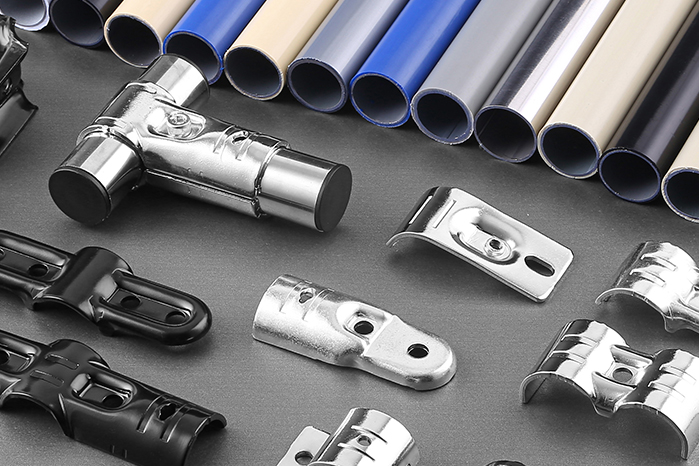
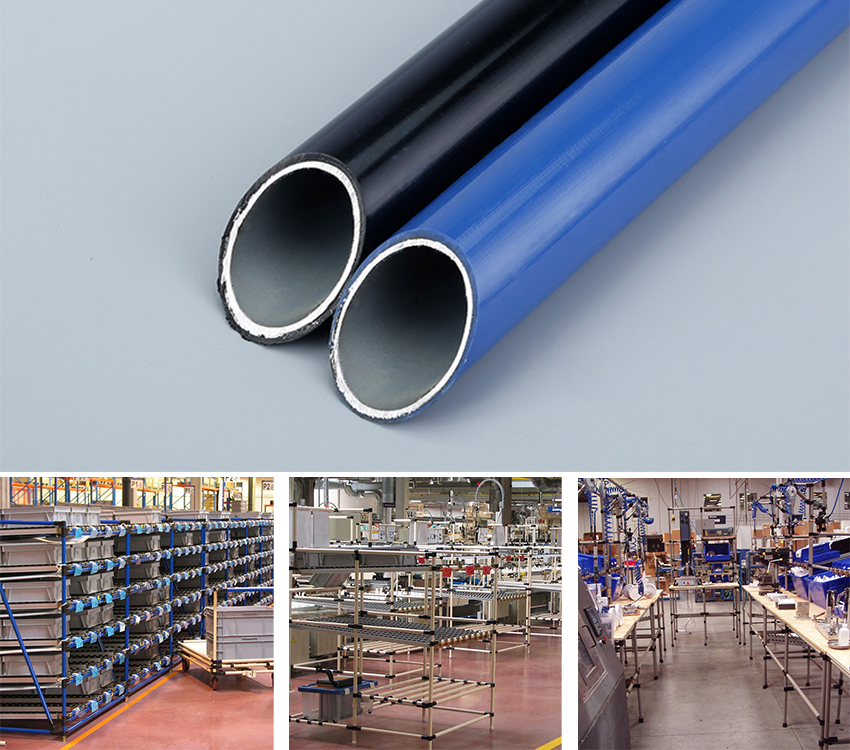
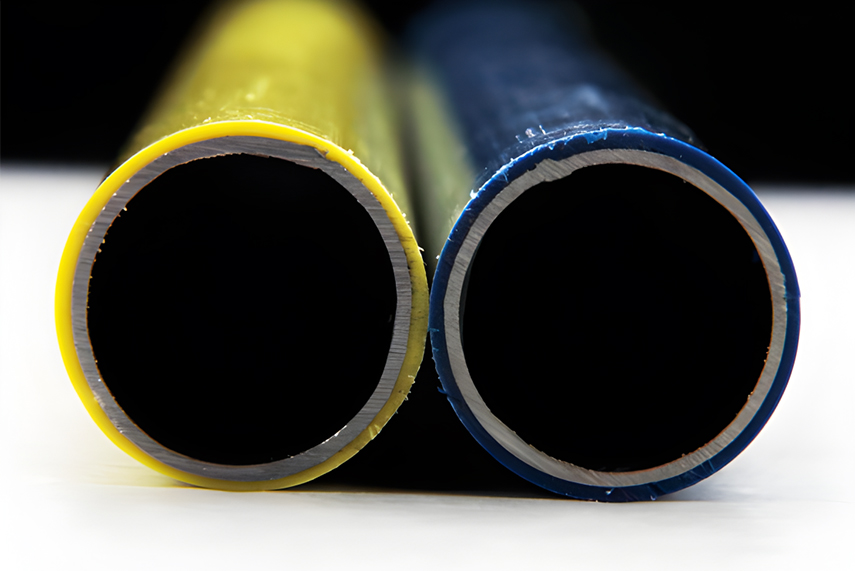
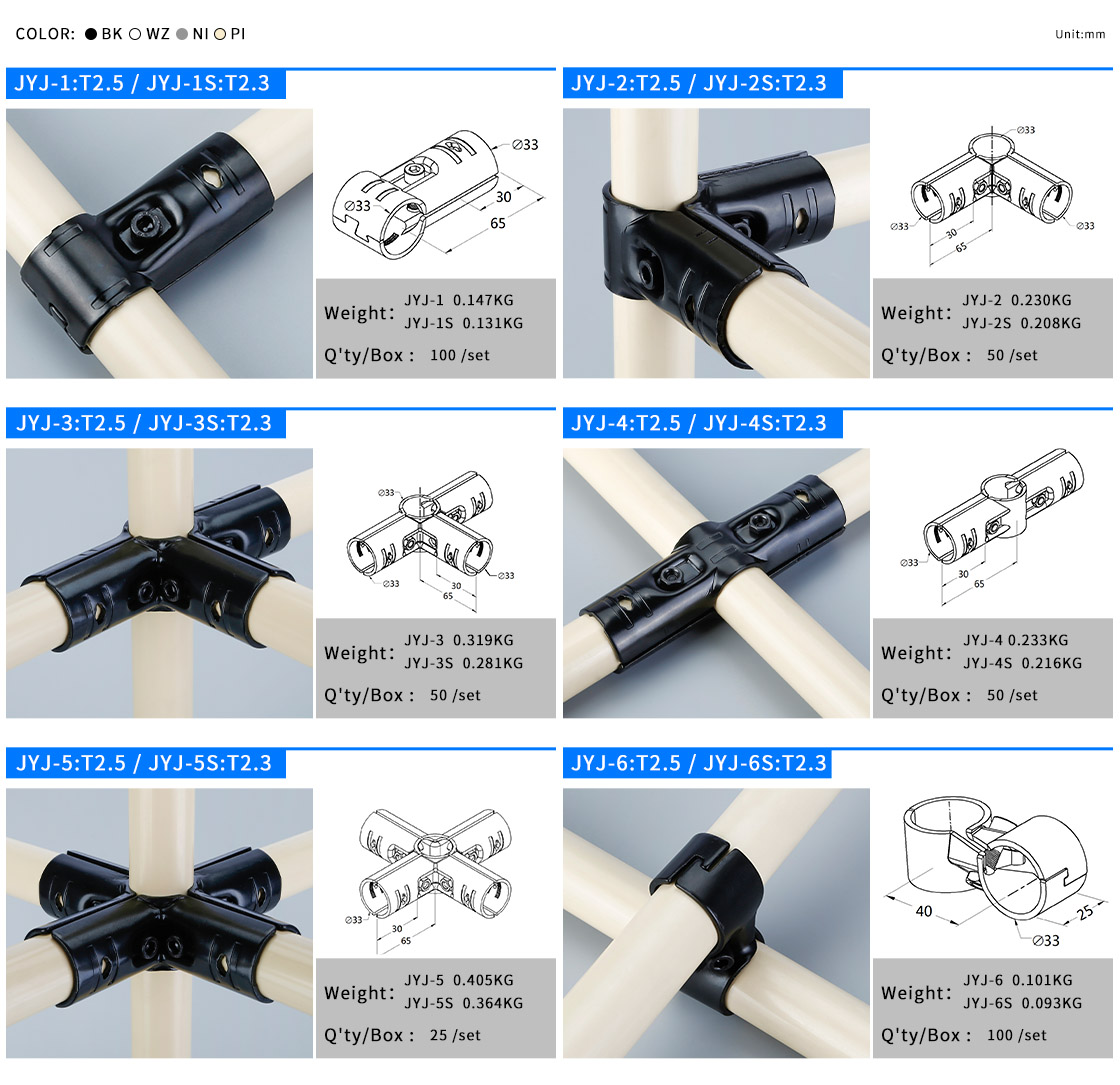
At Junyi, our hardware is designed for compatibility with our lean tube, metal joint and roller track system, which simplifies both new builds and replacement projects. High-volume sorting environments demand reliable equipment that integrates seamlessly into existing facility frameworks.
Facilities that master preventive upkeep routines experience fewer unexpected breakdowns and maintain tighter delivery schedules. Monitoring wear patterns on heavy-duty roller tracks provides valuable insights for future capacity expansions. Continuous observation transforms reactive repairs into planned efficiency upgrades. Ensuring maximum uptime requires unwavering discipline across every maintenance tier.
Diligent oversight of cleanliness, alignment, and component integrity secures long-term operational success in busy distribution hubs. Smart facility management always turns potential vulnerabilities into structural strengths by focusing on real performance metrics.
Optimizing Maintenance for Long-Term Reliability
Modern distribution centers thrive when engineering standards match the physical realities of high-speed sorting floors. Long-term reliability rewards facilities that treat hardware with care.
Optimizing an existing roller track flow rail installation depends on continuous evaluation of environmental and load variables. Comprehensive maintenance strategies adapt to actual operating conditions rather than relying on rigid, generalized schedules. Operational resilience ultimately stems from disciplined daily habits and strict adherence to specifications.
Modern distribution floors require adaptable maintenance frameworks that evolve alongside shifting throughput demands. Facility managers who prioritize data-backed wear analysis over guesswork achieve superior system longevity.
Strategic oversight of hardware components transforms potential bottlenecks into streamlined fulfillment pathways.
Long-term infrastructure stability relies on understanding the intricate balance between structural alignment and cargo weight. Proactive supervision of mechanical assemblies prevents unexpected failures during peak seasonal surges. Investing time in proper upkeep safeguards both capital assets and daily delivery commitments.
Build for Long-Term Reliability with Junyi
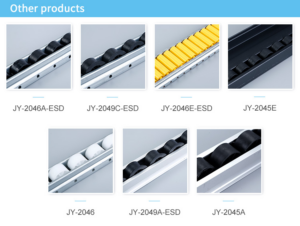
At Junyi, we combine modular lean tube, metal joint, and roller track solutions to support reliable, adaptable operations. Whether you are building a new system or optimizing an existing installation, our team can help you identify the right configuration for your operating requirements. Contact Junyi to discuss your next project.