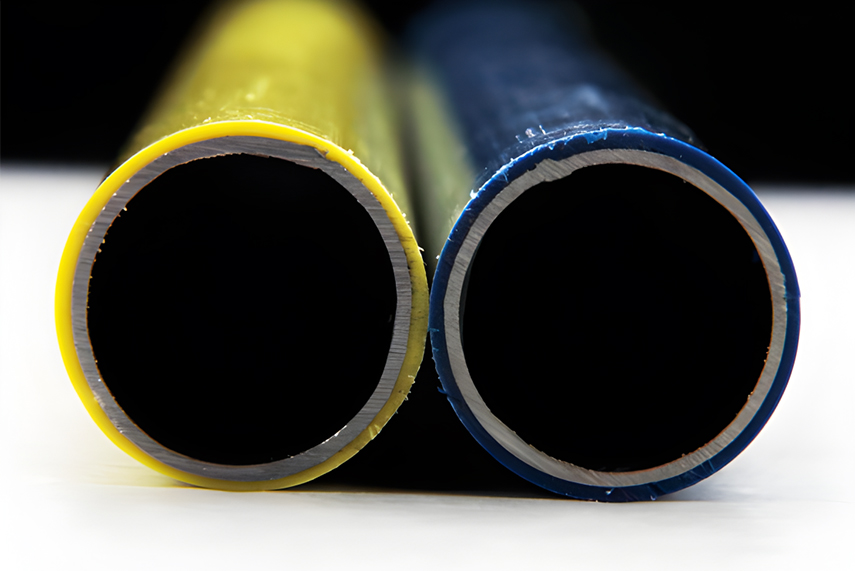
A modular workstation is only as reliable as its connections. The pipes give it shape, but the flexible pipe joint determines whether that shape holds firm under weight, adapts when layouts change, or loosens after a few months of use.
With so many joint options available, selecting the right one can be challenging. We at Junyi provide flexible pipe joint solutions for modular workstations, helping users select the right connection based on structure, load, and working conditions.The solution is to follow a structured decision process—one that starts with your design and ends with a joint that performs exactly as needed.
Know the Connection Configuration You Need
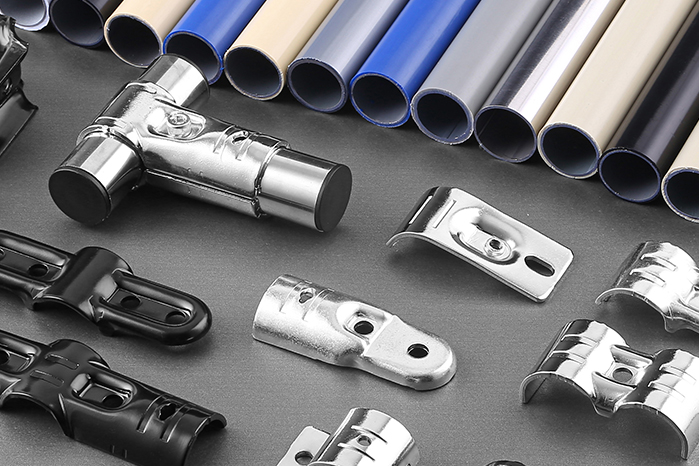
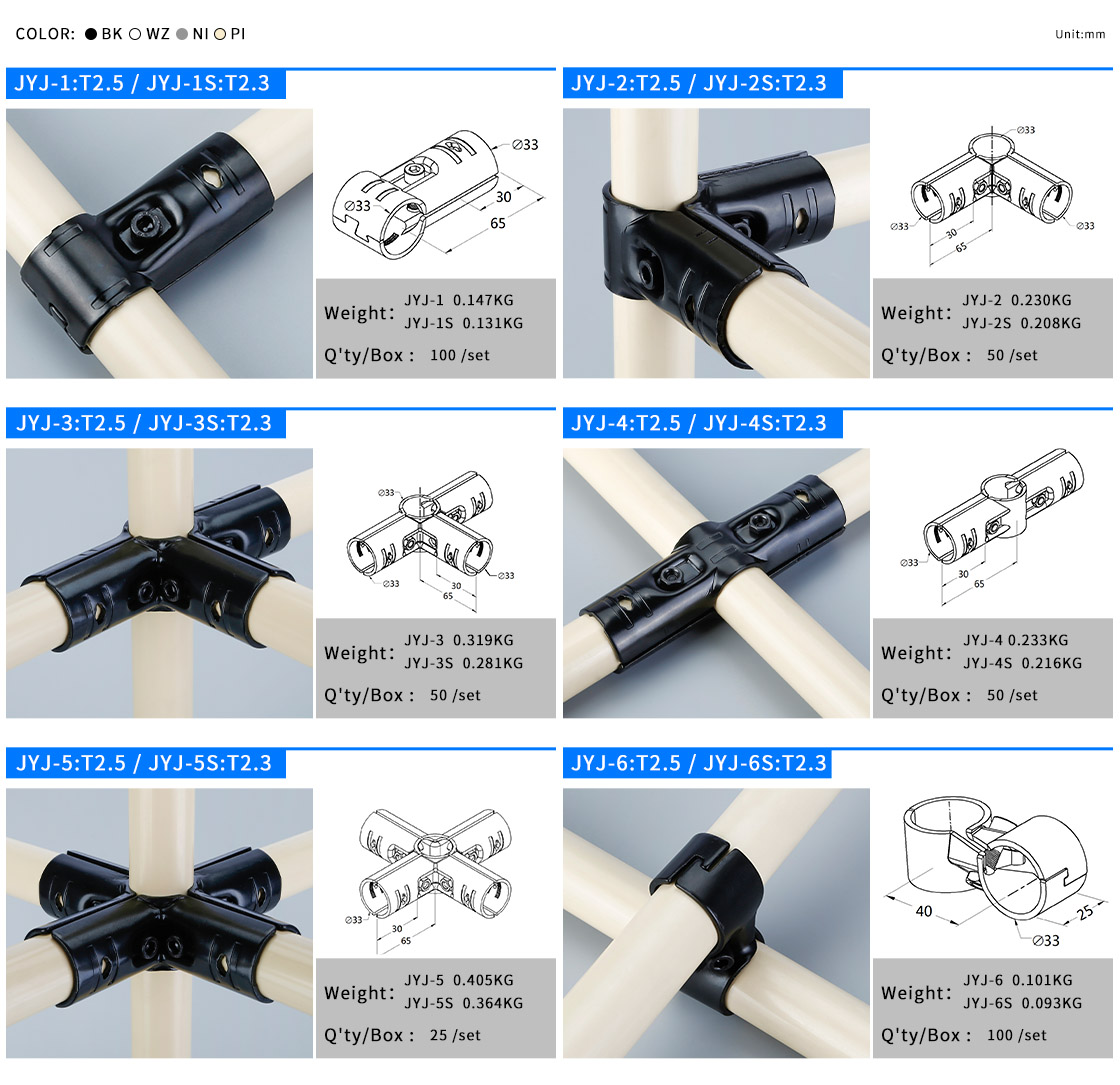
Every modular structure has a unique set of pipe intersections. Some require a T‑shape where a vertical pipe meets a horizontal beam. Others need a cross‑shape for four‑way connections at corners. Still others use a stop joint to cap the end of a sliding track or to limit horizontal movement.
Before you look at any product specification, map out every joint location in your workstation. Count how many T‑junctions, cross‑junctions, and specialty connections your design requires. This step is non‑negotiable. A lean pipe joint that works perfectly for a T‑structure will not serve a cross‑junction, and vice versa.
For most industrial workstations, T‑shaped metal joints are the most common. They connect two pipes at a right angle and form the backbone of vertical support systems. Cross‑shaped joints handle three‑pipe intersections, often used at the corners of multi‑tier racks.
If your design includes sliding elements or adjustable shelves, stop joints or bracket‑style connectors may be necessary. Know your geometry first—then choose the joint that fits it.
Inspect the Material and Manufacturing Standards
Once you have identified the required connection types, the next decision is quality. Not all joints are made the same way, and the differences show up in long‑term performance.
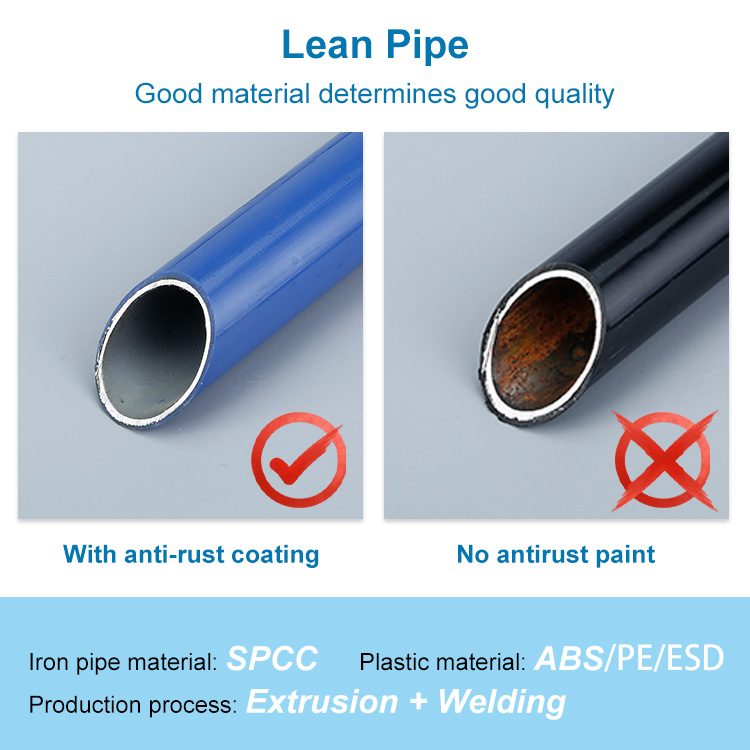
Industrial‑grade joints are typically stamped from cold‑hardened steel plate, designated SPCC. This material offers the strength needed for load‑bearing frames while remaining cost‑effective for volume production. But the material alone is insufficient.
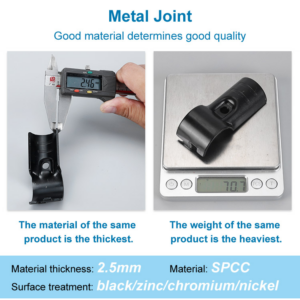
The thickness of the steel—commonly 2.5mm for heavy‑duty applications—directly affects clamping force and resistance to deformation. Tighter tolerances, such as ±0.05mm, ensure that every joint fits the pipe consistently, eliminating the variability that causes loose connections.
Examine the fastening mechanism as well. The best joints use locking screws—often M6‑25size — that require a hex wrench for positive clamping. This design does not rely on friction alone; when tightened, the screw creates a mechanical lock that holds the pipe securely. Joints that use simple friction‑fit or low‑grade screws will eventually slip under vibration or repeated loading.
A flexible pipe joint that meets these quality standards will maintain its grip over years of use. One that cuts corners on thickness or tolerance will need frequent retightening—or worse, will fail when you least expect it.
Match the Joint to Your Load and Working Conditions
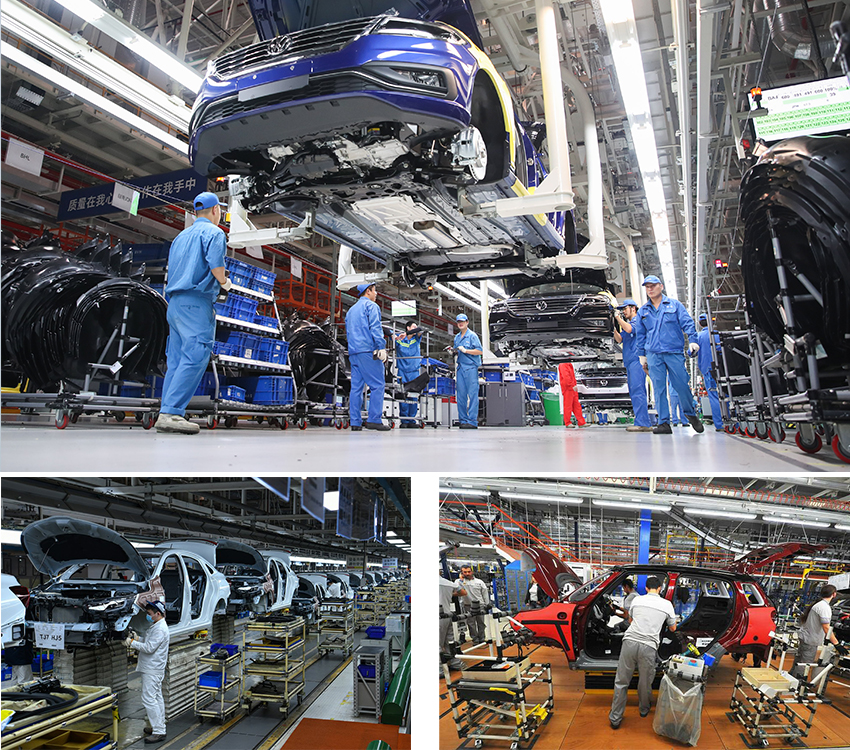
Your joint choice must reflect the actual demands of your production environment. A joint used for a lightweight electronics assembly table faces very different conditions than one supporting an automotive parts rack.
Load capacity is the primary consideration. Standard modular systems use 28mm outer diameter pipes, and joints designed for this size typically support static loads up to several hundred kilograms per connection point.
However, the distribution of that load matters. A joint that carries vertical compression performs differently than one subjected to shear or torsion. For heavy‑duty frames, consider reinforced joints or those with additional gussets.
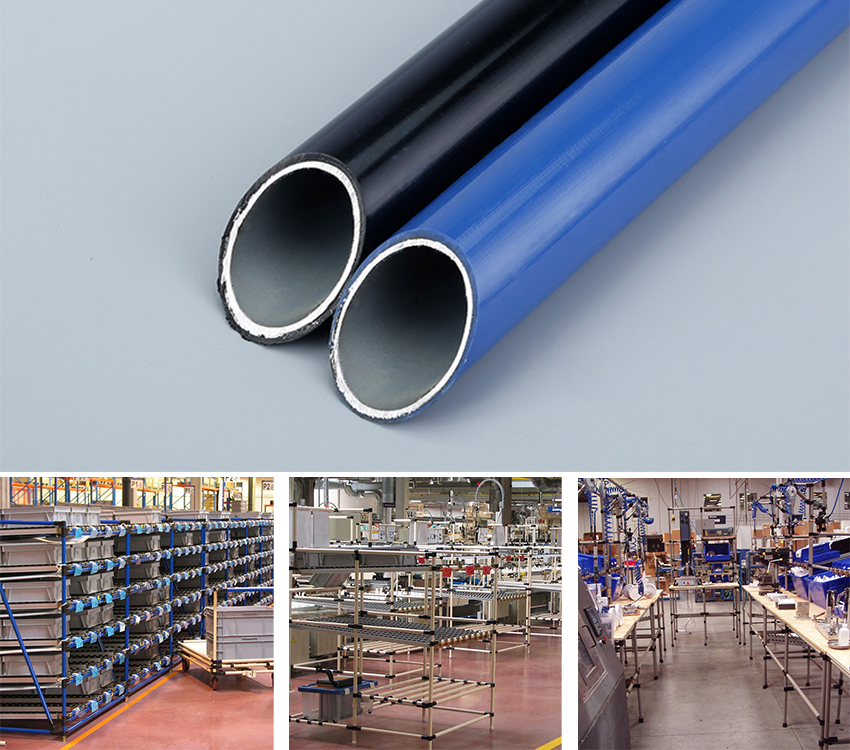
Environmental factors are equally important. Will the workstation operate in a dry, temperature‑controlled factory? Or will it face moisture, cutting fluids, or chemical cleaning agents? Standard cold‑rolled steel joints with plating or coating resist corrosion in normal conditions.
For wet or chemically aggressive environments, you may need plastic‑coated joints or stainless steel hardware. If your facility requires antistatic properties for electronics handling, look for joints with conductive surface treatments.
Ignoring these conditions leads to premature corrosion, joint seizure, or compromised structural integrity. Match the joint to your environment—not the other way around.
Plan for Reconfiguration and Reuse
The defining advantage of modular workstations is their adaptability. Production lines change, new products arrive, and layouts must evolve. A joint that cannot be disassembled and reused defeats this purpose entirely.
Metal joints with screw fasteners are inherently reusable. You can loosen the screws, reposition the pipes, and retighten the same joints in a new configuration. No welding or permanent modification is required. This means your inventory of pipes and joints can support dozens of different workstation layouts over the lifetime of your facility.
However, reusability depends on the joint not damaging the pipe surface during assembly and disassembly. Joints with sharp internal edges or inconsistent clamping faces can score the pipe, creating weak points that reduce future connection strength.
Precision‑manufactured joints—with smooth internal surfaces and uniform clamping pressure—preserve both the joint and the pipe for many assembly cycles.
A lean pipe joint designed for modularity is an investment in future flexibility. It allows you to respond to changing production needs without purchasing new hardware every time. When you choose a joint, ask yourself: can this be taken apart and reused without compromising performance?
A Simple Selection Checklist
To bring these considerations together, use this quick checklist every time you specify a joint for a modular workstation:
- Configuration: Have you counted every T, cross, and stop joint your design requires?
- Material: Is the joint made from 2.5mm cold‑hardened steel with tight tolerances?
- Fastening: Does it use positive‑locking screws rather than friction‑fit designs?
- Load: Does the joint match the static and dynamic loads your application demands?
- Environment: Is the joint material compatible with your facility’s temperature, moisture, and chemical exposure?
Reusability: Can the joint be disassembled and reused without damaging the pipes?
At Junyi, we manufacture joints that meet every point on this checklist. Our JYJ‑1 T‑shaped joint, for example, is stamped from 2.5mm SPCC steel with thickness tolerance controlled within ±0.05mm.
It uses M6‑25 locking screws for positive clamping and is designed specifically for 28mm pipe systems. It supports the T‑structures that form the backbone of most modular workstations, and it is built to be reused across multiple layout changes.
Choosing the right flexible pipe joint does not have to be complicated. Follow the checklist, evaluate your options against each criterion, and select the joint that fits your design, your load, and your future plans. That is the approach that delivers a workstation you can rely on—day after day, reconfiguration after reconfiguration.